
Why Post-Surgery Recovery Is Peak Risk Time
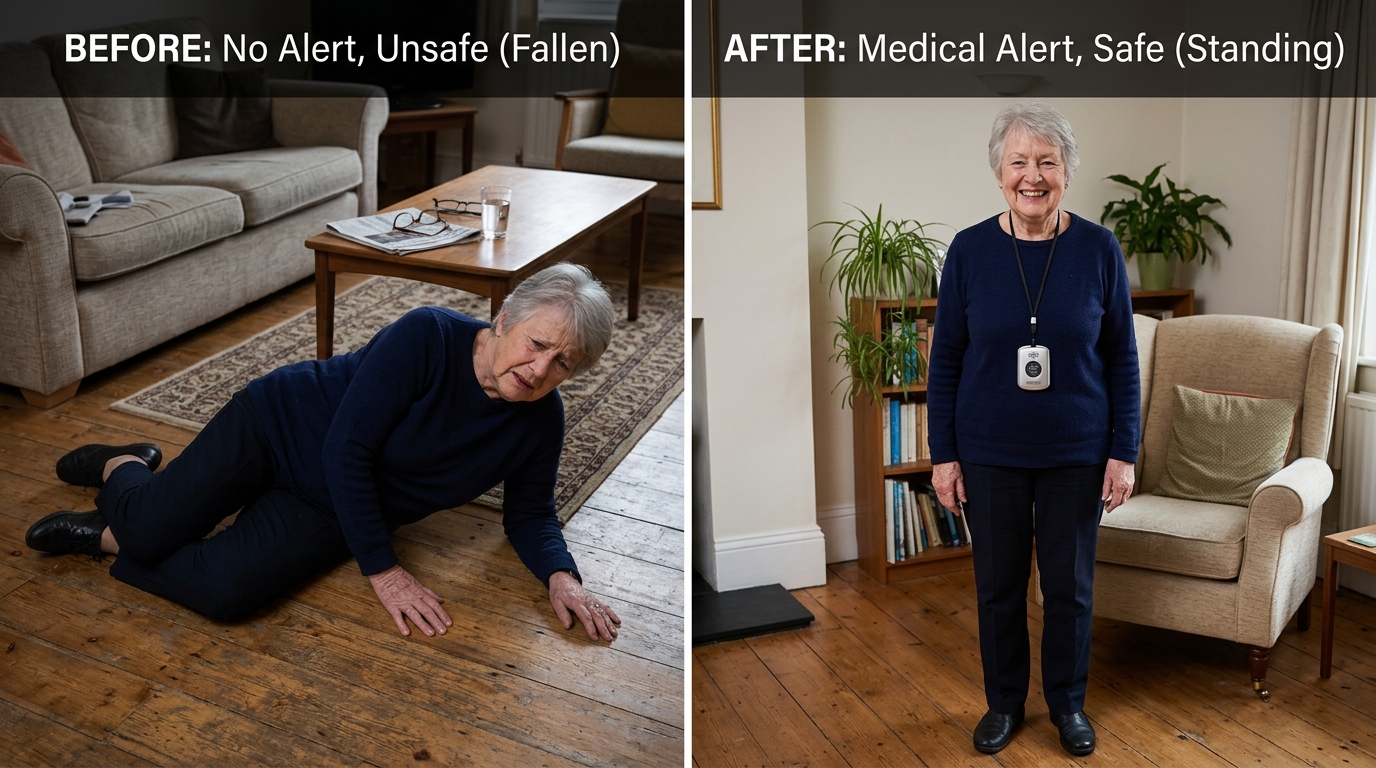
The weeks following surgery — particularly hip replacement, knee replacement, heart surgery, or any procedure requiring general anesthesia — represent one of the highest-risk periods for falls and medical emergencies. The combination of factors is potent.
Pain medications, especially opioids, cause drowsiness, dizziness, and impaired balance. Reduced mobility from surgical restrictions makes everyday movements unfamiliar and unstable. Muscle weakness from inactivity during hospitalization diminishes the body's ability to catch itself. Anesthesia after-effects can linger for days, affecting coordination and judgment. Bathroom urgency from medications and fluids creates rushed, off-balance movements.
Studies show that fall rates increase significantly in the first six weeks after major surgery. A post-surgical fall is not just a setback — it can undo the surgery entirely, require reoperation, extend recovery by months, or create complications that are worse than the original condition.
A medical alert system during recovery is a temporary safety net that can prevent a temporary risk from becoming a permanent problem.
Our Top 3 Picks for Post-Surgery Recovery
1. Bay Alarm Medical SOS Home + Fall Detection — Best Overall
$27.95/month + $10/mo fall detection = $37.95/month
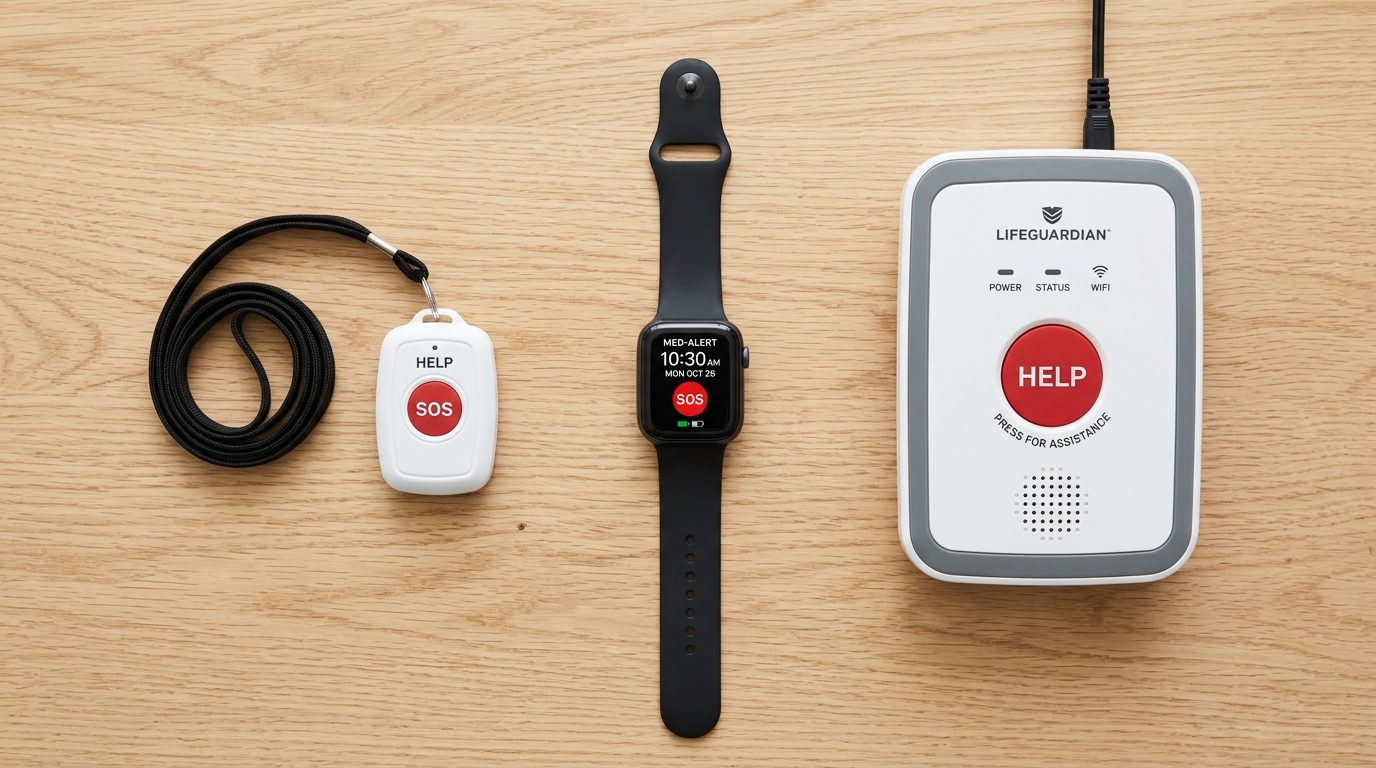
For post-surgical recovery at home, the SOS Home with fall detection is the ideal combination. The 31-second response time gets help on the line faster than any other provider. The waterproof help button can be worn in the shower — where post-surgical patients are most vulnerable to falls on wet surfaces.
Fall detection is critical during recovery because falls often happen during moments of overconfidence or medication-induced dizziness when the patient may not be able to reach the button. The automatic detection provides backup protection.
Setup takes less than ten minutes. The base station plugs in, the button starts working, and monitoring begins immediately. When recovery is complete, cancel with no fee and return the equipment.
2. MobileHelp Classic — Best Budget Recovery Option
$19.95/month (fall detection not available on Classic)
If the surgery is minor and the primary need is basic emergency access during a limited recovery period, the MobileHelp Classic provides professional monitoring at the lowest possible cost. At $19.95 per month for a few months of recovery, the total cost may be under $60.
The Classic does not offer fall detection, so it is best suited for patients who are mobile enough to press the button but want the safety net of 24/7 monitoring during a vulnerable period. Month-to-month billing means you pay only for the months you need.
3. LifeFone At-Home & On-the-Go — Best for Recovery + Returning to Activity
$39.95/month (fall detection included)
If recovery will progress from home-bound to gradually resuming outside activities — physical therapy appointments, short walks, errands — the LifeFone At-Home & On-the-Go plan covers both phases. The home base station protects during the initial recovery, and the mobile GPS device provides coverage as the patient starts going out again.
Fall detection is included at no extra charge, and free spouse coverage means a partner recovering at the same time (or simply wanting protection while caregiving) is covered too.
Setting Up Before Surgery
The best time to get a medical alert for post-surgical recovery is before the surgery happens. Order the system one to two weeks before the procedure date. Set it up and test it while you are still feeling well. Show family members and caregivers how it works. Have it operational and waiting when you come home from the hospital.
Coming home from the hospital is overwhelming enough without trying to set up new technology while in pain and on medication. Having the system ready and tested eliminates that stress.

How Long to Keep It
Most post-surgical patients benefit from a medical alert during the first six to twelve weeks of recovery — the highest-risk period for falls and complications. Some considerations for timing:
Keep it until you are off pain medications that cause dizziness. Keep it until physical therapy has restored confidence in balance and mobility. Keep it until you can navigate your home, including the bathroom and stairs, without assistance. Keep it until your surgeon clears you for unrestricted activity.
With month-to-month billing, there is no cost to keeping it longer than planned. If recovery takes eight weeks, you pay for two months. If it takes four months, you pay for four months. Cancel when you feel safe.
The Bottom Line
Post-surgical recovery is a temporary high-risk period that deserves temporary protection. A medical alert system provides that protection for as little as $19.95 per month with no commitment beyond the current month.
Bay Alarm Medical SOS Home with fall detection ($37.95/month) is the best overall choice — fastest response, waterproof button for the shower, automatic fall detection. Set it up before surgery, use it through recovery, cancel when you are healed.
The cost of two to three months of medical alert monitoring is roughly $60 to $115. The cost of a post-surgical fall that undoes the surgery can exceed $100,000. The math is simple.